MTA and NYCTA Vehicle Collisions: A Legal Perspective
Being involved in a collision with a New York Transit Authority (NYCTA) or Metropolitan Transportation Authority (MTA) vehicle can be overwhelming. These NYCTA vehicle collisions are different from typical car accidents because they involve public transportation, which introduces additional legal considerations. Whether the accident involves a bus, subway, or another MTA-operated vehicle, understanding your legal rights is essential.

NYCTA vehicle collisions can occur for various reasons, including driver error, poor vehicle maintenance, or road conditions. Regardless of the cause, it’s important to know how to navigate the legal aftermath. If you’re a driver, passenger, or pedestrian impacted by such an accident, knowing your legal standing can make a significant difference in how you address the situation and seek compensation.
Identifying NYCTA and MTA Vehicles: What You Need to Know
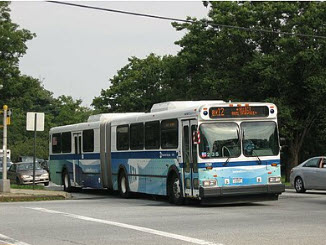 NYCTA and MTA vehicles can include everything from buses to service vehicles and trains. Identifying the specific vehicle involved in your accident is critical, as this can affect how you report the incident and pursue legal action. Most vehicles are marked, but even if not, the vehicle’s registration and other documentation can reveal the ownership. If the vehicle belongs to a contractor working for the MTA or NYCTA, you may still be able to pursue a claim for NYCTA vehicle collisions.
Noting details such as the vehicle’s ID number or license plate can help you gather necessary information, especially for any follow-up investigations. Additionally, identifying the type of vehicle is important, as a train accident, for example, may involve different legal complexities than a bus accident. Vehicle maintenance records may also play a role in your case, as faulty maintenance could contribute to the cause of the accident.
Common Causes of MTA and NYCTA Vehicle Collisions
Accidents involving MTA and NYCTA vehicles can happen for a variety of reasons. One of the most common causes is driver error, which can include distracted driving, speeding, or failing to follow traffic laws. In these cases, the driver’s actions could be the central issue in determining liability for the collision.
Vehicle maintenance issues are another frequent cause of NYCTA vehicle collisions. If an MTA bus or subway has not been properly maintained, mechanical failures can result in accidents. In such situations, even if the driver wasn’t negligent, the MTA or NYCTA may still be held liable for failing to ensure their vehicles are safe for operation. Investigating these aspects is a critical step in building a legal case, and our attorneys can thoroughly examine vehicle maintenance logs to determine whether a failure to maintain the vehicle contributed to the accident.
Steps to Take After an Accident
Immediately following a collision with an MTA vehicle, certain actions are necessary to preserve your rights and strengthen your case. First, report the accident to the police to obtain an official accident report. This report can serve as critical documentation of the event, including who was involved, the time and location, and other important details.
In addition to reporting to the police, you must notify the MTA or NYCTA of the incident. As these are government entities, you are required to file a “Notice of Claim” within 90 days of the accident if you plan to pursue legal action. Filing this notice is a formal process and must be done correctly to preserve your right to sue. Missing this deadline or filing improperly can result in the loss of your ability to seek compensation, so it’s important to consult an attorney early on.
You also have only one year and 90 days from the date of the accident to file a lawsuit after NYCTA vehicle collisions. This deadline is shorter than the typical three-year statute of limitations for other personal injury cases in New York. Our attorneys can guide you through these time-sensitive steps to ensure you don’t lose your right to pursue compensation.
Gathering Evidence at the Scene to Help Your Claim for Compensation
Evidence is crucial in any accident claim, and this is especially true for collisions involving MTA vehicles. After an accident, you should gather as much information as possible from the scene. Take photos of the vehicles involved, damage to property, and any visible injuries. Also, note details about the MTA vehicle, including its ID number, license plate, and the driver’s information.
If there are any witnesses to NYCTA vehicle collisions, get their contact details, as their statements may be valuable later. This evidence can be used to substantiate your claim and strengthen your negotiating position, especially when dealing with insurance companies or preparing for legal action.
Insurance Claims Involving MTA Vehicles
Navigating the insurance claim process after an MTA collision can be tricky. Since the MTA is a public entity, insurance claims may not follow the same procedure as they would in a standard accident. You may need to file a claim with the MTA’s insurance provider, your own insurance, or both, depending on the circumstances of the accident.
The insurance company’s goal is often to minimize their payout, which is why having legal representation is essential. Our attorneys can help ensure that your claim is handled properly and that you receive the full compensation you’re entitled to, whether through settlement or further legal action. We understand the complexities of MTA insurance claims and are experienced in navigating this process for our clients.
Seeking Compensation: When to Consider Legal Action
In the event of a serious collision with an MTA or NYCTA vehicle, legal action may be necessary to recover compensation. You can pursue a lawsuit if you’ve suffered significant injuries, property damage, or if the insurance settlement is inadequate. However, it’s important to act quickly due to the strict deadlines for filing against public authorities like the MTA.
Compensation in these cases can cover a wide range of damages, including medical expenses, lost wages, pain and suffering, and property damage. Proving negligence on the part of the MTA, whether due to driver error or poor vehicle maintenance, is a key factor in securing compensation. Our attorneys are skilled at investigating these types of claims and can help build a strong case on your behalf.
Contact the Law Office of Irene H. Gabo, P.C. to Discuss Your MTA Vehicle Collisions Lawsuit
If you’ve been involved in a collision with an MTA vehicle, understanding your legal options is the first step toward securing the compensation you deserve. The Law Office of Irene H. Gabo, P.C. is here to help you navigate this complex process. Our experienced attorneys can guide you through every step, from filing a Notice of Claim to negotiating with insurance companies or pursuing a lawsuit if necessary.
Contact us today at (800) 560-0214 to discuss your case and receive a personalized consultation. We are dedicated to advocating for your rights and ensuring you are fairly compensated for your injuries and damages from NYCTA vehicle collisions. Let us handle the legal complexities while you focus on recovery.
Resources:
- Sample Police Report
- Report of Motor Vehicle Accident Involving Fatality (MV-104F) – New York DMV
- Motor Vehicle Traffic Crash Statistics: New York State Residents
- Request Driving Records – New York DMV

Irene H. Gabo is a dedicated personal injury attorney based in Brooklyn, specializing in a wide range of personal injury cases. With over a decade of experience, she has successfully represented thousands of clients who have suffered injuries from motor vehicle accidents, construction incidents, dog bites, and medical malpractice. Known for her expertise and commitment, Ms. Gabo has recovered millions of dollars for her clients, ensuring they receive the justice and compensation they deserve. If you or a loved one has been injured in Brooklyn, reach out to Irene for a free consultation and expert guidance on your personal injury claim.