







Is a Loved One Left Isolated in a Nursing Home in Brooklyn?
Isolation in nursing homes is a silent form of neglect that can have devastating effects on residents’ mental and physical well-being. In Brooklyn, families trust nursing homes to provide a nurturing and social environment for their loved ones. However, when residents are isolated-whether intentionally or due to staffing shortages-their health and quality of life often deteriorate rapidly.
Social interaction is vital for the elderly, as it helps maintain cognitive function, emotional stability, and physical health. When residents are deprived of regular contact with staff, peers, or family members, they may experience loneliness, depression, and even physical decline. Recognizing and addressing problems in Brooklyn nursing homes is critical to protecting vulnerable residents.
Nursing homes have a responsibility to ensure that residents remain socially engaged and feel connected to their community. When this obligation is neglected, families have the right to hold facilities accountable and seek justice for their loved ones.
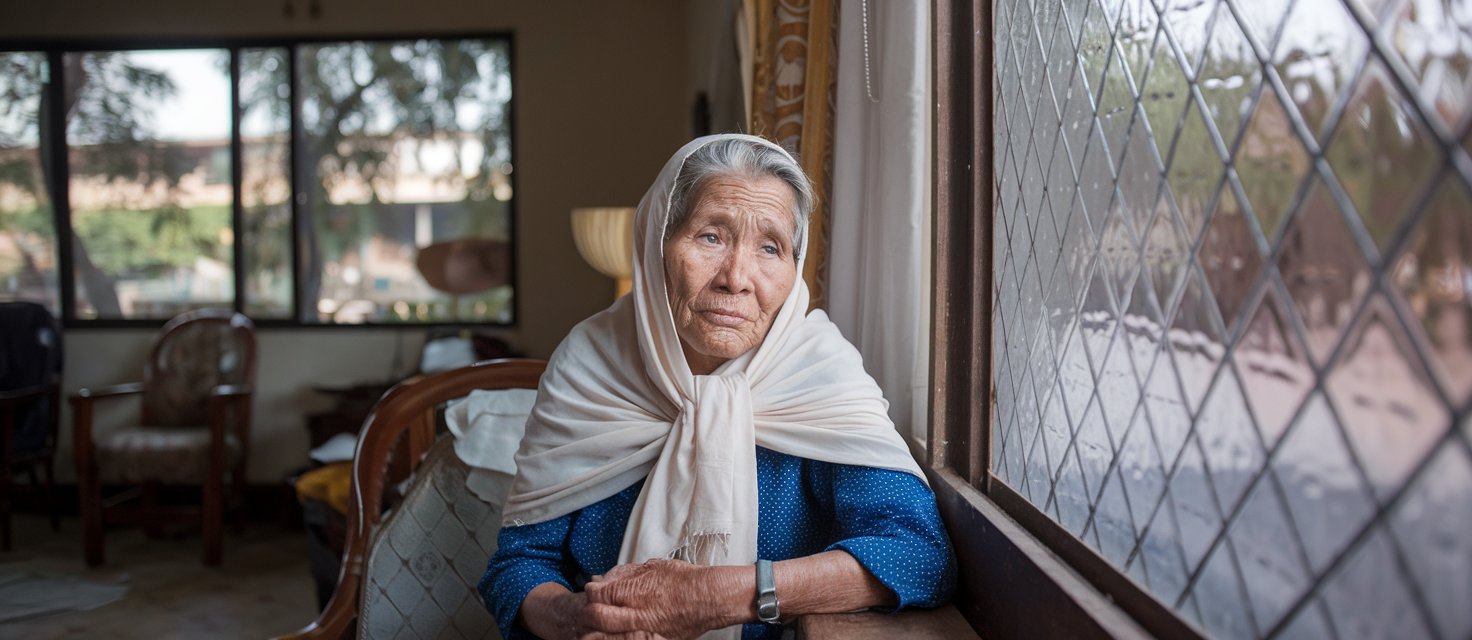
How Isolation Occurs in Nursing Homes
Isolation in nursing homes can happen in various ways, ranging from unintentional neglect to deliberate acts of abuse. Common causes of isolation include:
- Staffing Shortages: Overburdened caregivers may prioritize basic physical care, neglecting the social and emotional needs of residents.
- Physical or Cognitive Limitations: Residents with mobility challenges or cognitive impairments may be excluded from group activities due to a lack of accommodations.
- Intentional Neglect or Punishment: In some cases, staff may isolate residents as a form of control or retaliation.
- Lack of Family Visits: Limited family involvement, whether due to distance or facility restrictions, can leave residents feeling abandoned.
Brooklyn nursing homes must take proactive steps to prevent isolation, including providing adequate staffing, inclusive activities, and maintaining open lines of communication with families.
The Effects of Isolation on Residents
The consequences of isolation extend far beyond feelings of loneliness. Prolonged social isolation can lead to severe mental and physical health issues, including:
- Depression: Residents who lack meaningful interactions often develop depression, which can impact their overall health and quality of life.
- Cognitive Decline: Social engagement is essential for maintaining cognitive function. Isolation increases the risk of memory loss and dementia.
- Physical Health Problems: Sedentary behavior and lack of motivation due to isolation can contribute to muscle atrophy, cardiovascular issues, and weakened immune systems.
- Increased Mortality Risk: Studies show that isolated individuals have a higher risk of premature death due to the combined effects of physical and emotional abuse.
For example, a Brooklyn resident who was left in their room for extended periods without interaction became withdrawn and refused to eat. Over time, their physical and emotional health declined significantly, illustrating the harmful impact of isolation.
Recognizing the Signs of Isolation in Nursing Home Residents
Identifying isolation in a nursing home can be challenging, especially when residents are unable or unwilling to voice their concerns. Families must be vigilant during visits and look for both subtle and obvious signs of social neglect. Common indicators of isolation include:
- Withdrawal from Social Activities: Residents may stop participating in group events or interacting with others.
- Emotional Changes: Increased sadness, anxiety, or irritability can signal emotional neglect.
- Physical Decline: Loss of mobility, weight loss, or poor hygiene may result from a lack of attention and engagement.
- Loneliness or Complaints: Residents might express feelings of abandonment or mention being left alone for extended periods.
During visits, families should observe their loved one’s living environment and interactions with staff. Rooms that are consistently messy or devoid of personal touches might indicate neglect, while a lack of communication about activities or care plans can also raise red flags.
By identifying these signs early, families can intervene and prevent further harm to their loved ones.
Steps to Take if You Suspect Isolation in a Nursing Home
If you believe your loved one is experiencing isolation or social neglect in a Brooklyn nursing home, it’s important to act swiftly. Here’s how you can address the situation:
Document Your Observations
Keep detailed records of your visits, including any signs of abuse, isolation or neglect. Note changes in your loved one’s behavior, physical condition, and environment. Photos and written logs can serve as valuable evidence.
Speak with the Nursing Home Staff
Address your concerns with the facility’s management. Ask about the activities available for residents, the frequency of staff interactions, and how social needs are being met. Request improvements or specific accommodations if necessary.
Report the Issue to Authorities
If the facility does not address your concerns, report the situation to the New York State Department of Health or Adult Protective Services. These agencies can investigate and ensure compliance with state regulations.
Consult with our Attorneys
Our attorneys can guide you through the legal process, help you protect your loved one’s rights, and hold the facility accountable for its negligence. Call (800) 560-0214 for a free consultation.
Legal Recourse for Isolation in Nursing Homes
Under New York law, nursing home residents have the right to live in an environment that promotes their physical, emotional, and social well-being. Facilities that fail to provide this standard of care can be held legally accountable for neglect. Isolation is a violation of residents’ rights and may constitute abuse under state and federal laws.
Families can pursue compensation for the harm caused by isolation, including damages for emotional distress, medical expenses related to the resident’s decline, and other associated costs. In cases of extreme neglect or intentional harm, punitive damages may also be awarded to deter future misconduct.
Legal action is not only a way to seek justice for your loved one but also a means of ensuring systemic changes in nursing home practices. By holding facilities accountable, families can help create safer and more compassionate environments for all residents.
How Our Lawyers Can Help Your Family
At the Law Office of Irene H. Gabo, P.C., we understand the profound impact that isolation can have on nursing home residents and their families. Our attorneys are dedicated to holding negligent facilities accountable and ensuring that your loved one’s rights are protected. Call us at (800) 560-0214 for a free consultation.
We conduct thorough investigations to uncover evidence of isolation and neglect, gathering records, witness statements, and expert opinions to build a compelling case. By demonstrating how the facility failed to meet its obligations, we aim to secure justice and compensation for your family.
If you suspect your loved one has suffered from isolation in a Brooklyn nursing home, contact us today for a free consultation. Let us guide you through the legal process and help you protect your loved one’s dignity and well-being.
Call Us Today for Help
If you believe your loved one is experiencing isolation or neglect in a Brooklyn nursing home, don’t wait to take action. Call the Law Office of Irene H. Gabo, P.C. today at (800) 560-0214 to schedule a free consultation. We’re here to support your family and fight for the justice and care your loved one deserves.
Frequently Asked Questions
What are the common signs of isolation in nursing home residents?
Signs of isolation include withdrawal from social activities, emotional changes like sadness or anxiety, physical decline such as weight loss or poor hygiene, and complaints of loneliness or neglect.
Why does isolation happen in nursing homes?
Isolation can occur due to staffing shortages, mobility limitations, cognitive impairments, or even intentional neglect by staff. Limited family visits and inadequate facility policies also contribute to the problem.
What are the consequences of isolation for nursing home residents?
Prolonged isolation can lead to depression, cognitive decline, physical health issues, and an increased risk of premature death. It significantly diminishes residents’ quality of life.
Can isolation in nursing homes be considered neglect?
Yes, isolation is a form of neglect if it results from the facility’s failure to meet a resident’s social, emotional, or physical needs. It violates residents’ rights under New York law.
How can families prevent isolation in nursing homes?
Families can prevent isolation by visiting regularly, staying involved in their loved one’s care, and advocating for social activities and interactions. Choosing a reputable nursing home with adequate staffing and resources is also critical.
What should I do if I suspect my loved one is being isolated?
Document your observations, speak with the facility’s management, and report the issue to the New York State Department of Health if necessary. Consulting with an attorney can also help you protect your loved one’s rights.
Can I file a lawsuit for isolation in a nursing home?
Yes, families can file lawsuits if a nursing home’s neglect or intentional actions cause harm through isolation. Compensation may cover emotional distress, medical expenses, and other related damages.
How does the Law Office of Irene H. Gabo, P.C. assist with cases of isolation in nursing homes?
Our attorneys investigate claims thoroughly, gather evidence, and build strong cases to hold negligent facilities accountable. We work tirelessly to secure justice and compensation for affected families.
How quickly should I act if I suspect isolation?
Act immediately to protect your loved one and preserve evidence. Report the issue to authorities and consult an attorney as soon as possible to ensure swift action and accountability.