






Do You Have Family Suffering Emotional Abuse in a Brooklyn Nursing Home?
Nursing homes in Brooklyn should be places where elderly residents feel safe, respected, and cared for. Unfortunately, emotional abuse remains a serious issue in some facilities, causing significant harm to vulnerable residents. Unlike physical abuse, emotional abuse in nursing homes often goes unnoticed because it leaves no visible marks, but its effects can be just as damaging, if not more.
Recognizing and addressing emotional abuse is essential to protect your loved one’s dignity and well-being. Families must be vigilant, informed, and prepared to take action when they suspect mistreatment. Our firm is here to help you navigate these difficult situations and hold negligent facilities accountable.
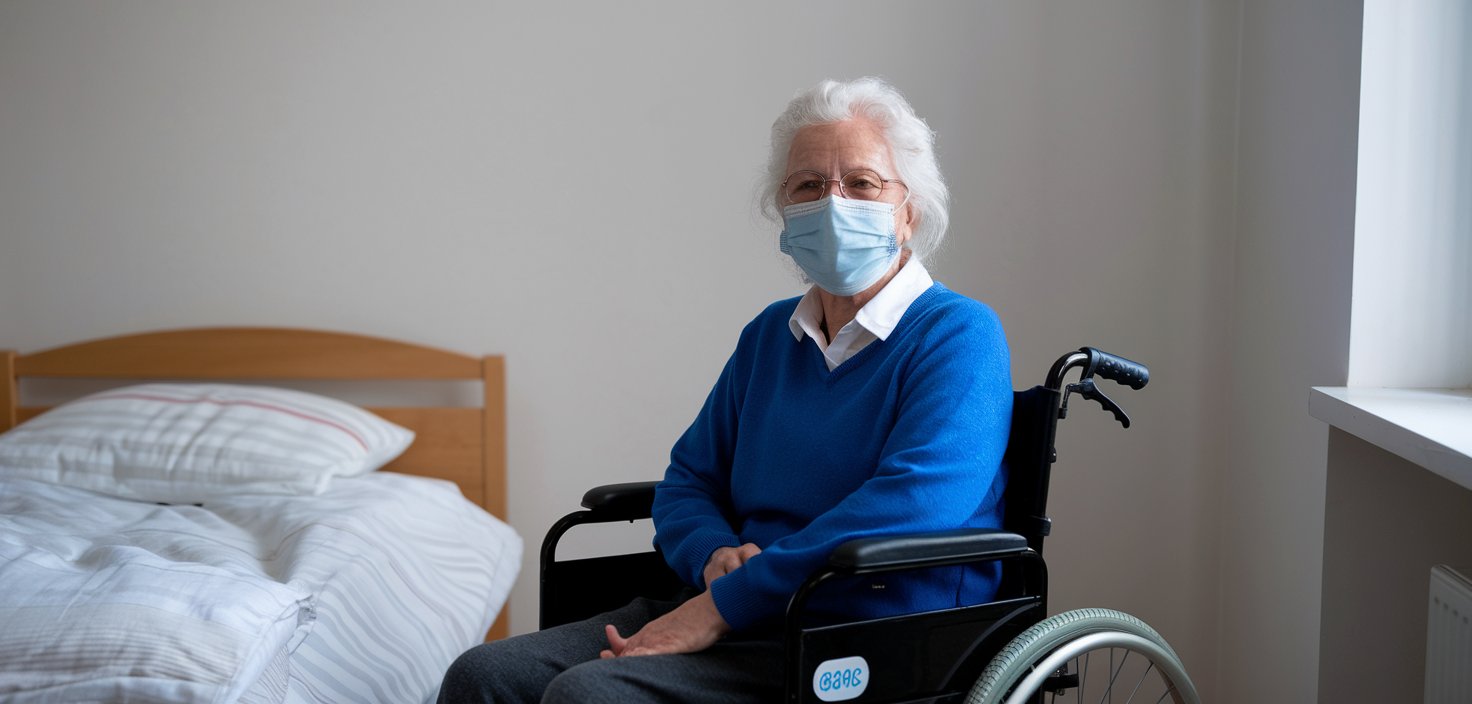
What Is “Emotional Abuse” in Nursing Homes?
Emotional abuse involves actions or words that cause mental or emotional distress to residents. This form of mistreatment can include verbal insults, intimidation, humiliation, isolation, or manipulation. It often stems from caregiver frustration, lack of training, or malicious intent.
For example, a caregiver who constantly belittles a resident, mocks their inability to perform certain tasks, or intentionally ignores their requests is engaging in emotional abuse. Such behavior can lead to feelings of worthlessness, anxiety, and depression for the victim.
Emotional abuse can be particularly harmful in nursing homes because residents often rely on their caregivers for daily support and companionship. When the people entrusted with their care become the source of harm, it can lead to a devastating loss of trust and emotional stability.
Signs of Emotional Abuse in Brooklyn Nursing Homes
Detecting emotional abuse requires attentiveness and an understanding of behavioral changes. Victims may not always vocalize their distress, making it crucial for family members to observe nonverbal cues and patterns of abuse.
Common signs of emotional abuse include:
- Withdrawal: Sudden disinterest in social activities or avoidance of interactions with family and friends.
- Fear or anxiety: Residents appearing fearful or anxious around specific staff members or during certain situations.
- Depression: Signs of sadness, hopelessness, or a decline in overall emotional well-being.
- Unexplained changes in behavior: Outbursts, agitation, or uncharacteristic silence.
- Complaints of mistreatment: Residents expressing that they feel ignored, insulted, or isolated.
By staying vigilant and engaging in regular communication with your loved one, you can identify red flags and take steps to address potential abuse.
The Impact of Emotional Abuse on Nursing Home Residents
Emotional abuse in Brooklyn nursing homes can have profound effects on residents, influencing their mental, physical, and social well-being. While the harm may not be immediately visible, the long-term consequences can be devastating.
Mentally, victims of emotional abuse often experience anxiety, depression, and low self-esteem. This can lead to a diminished sense of self-worth and feelings of helplessness, particularly in an environment where they are already vulnerable. For example, a resident who is repeatedly humiliated may withdraw from social interactions, further isolating themselves from family and peers.
Physically, the stress caused by emotional abuse can lead to health complications such as high blood pressure, weakened immunity, and a decline in overall physical health. In extreme cases, residents may refuse to eat or take medications, exacerbating existing medical conditions.
The social impact is also significant. Victims may avoid family visits or become unresponsive to efforts to engage them in activities. This isolation can create a vicious cycle, as reduced interactions make it harder for loved ones to detect the abuse. Recognizing and addressing emotional abuse promptly is essential to prevent these outcomes.
Causes of Emotional Abuse in Nursing Homes
Understanding the root causes of emotional abuse can help families and regulators address systemic issues within nursing homes. While individual misconduct plays a role, broader institutional factors often contribute to an environment where abuse occurs.
Primary causes include:
- Understaffing: Overworked and overstressed caregivers may lack the patience or empathy required to provide compassionate care.
- Inadequate training: Staff who are not properly trained to handle the needs of elderly residents, particularly those with dementia or other cognitive impairments, may resort to harmful behavior out of frustration.
- Poor oversight: Facilities with lax management or insufficient supervision may fail to detect and address abusive behavior among staff.
- Caregiver burnout: Chronic stress and emotional exhaustion can lead caregivers to act out against residents, often without realizing the full impact of their actions.
These factors highlight the importance of choosing a nursing home with a strong commitment to staff training, adequate staffing levels, and effective management practices. Families should research facilities thoroughly and remain actively involved in their loved one’s care.
Steps to Take if You Suspect Emotional Abuse
If you suspect your loved one is experiencing emotional abuse in a Brooklyn nursing home, acting quickly can prevent further harm. Early intervention is crucial to protect their well-being and ensure the facility is held accountable.
What to do if you suspect emotional abuse:
- Document observations: Keep detailed notes of any behavioral changes, concerning interactions with staff, or complaints from your loved one.
- Communicate with the facility: Schedule a meeting with the nursing home’s management to discuss your concerns. Request a thorough investigation into the matter.
- Contact authorities: Report the suspected abuse to New York’s Adult Protective Services or the New York State Department of Health. These agencies can initiate investigations and take corrective action.
- Seek legal guidance: Consulting with an attorney experienced in nursing home abuse cases can help you understand your legal options and pursue justice for your loved one.
Our firm is here to support you during this challenging time. We can help you navigate the reporting process and ensure your loved one’s rights are upheld.
Legal Rights for Nursing Home Residents in Brooklyn
Every nursing home resident in Brooklyn has the right to live in a safe and respectful environment, free from abuse of any kind. Emotional abuse is a direct violation of these rights, and legal protections are in place to hold facilities accountable for failing to provide proper care.
Under both New York State law and federal regulations, nursing homes are required to protect residents from mental and emotional harm. The Nursing Home Reform Act mandates that facilities receiving Medicare or Medicaid funding ensure residents’ rights to dignity, self-determination, and quality care. In addition, the New York State Department of Health enforces strict standards for nursing home operations and investigates reports of abuse and neglect.
When emotional abuse occurs, victims and their families have legal options to seek justice. This may include filing complaints with state agencies, pursuing civil lawsuits for damages, or advocating for reforms within the facility. Our firm is dedicated to helping families understand and assert their legal rights.
Pursuing Compensation for Emotional Abuse Victims
Victims of emotional abuse in Brooklyn nursing homes may be entitled to compensation for the harm they have endured. Compensation can address both the emotional trauma and any associated financial burdens caused by the abuse.
Compensation may cover:
- Emotional distress: Damages for the mental anguish, anxiety, and depression caused by the abuse.
- Medical and therapeutic costs: Expenses for counseling, therapy, or medications needed to address the psychological impact of the abuse.
- Loss of enjoyment: Compensation for the diminished quality of life resulting from the abuse.
- Punitive damages: In cases of severe or intentional misconduct, courts may award punitive damages to penalize the facility and deter future abuse.
Our attorneys advocate for nursing home abuse victims and can guide you through the legal process. By pursuing compensation, families not only secure justice for their loved ones but also contribute to preventing similar incidents in the future. Call us at (800) 560-0214 for a free consultation.
Contact Us for Help with Emotional Abuse Cases
If your loved one has experienced emotional abuse in a Brooklyn nursing home, the Law Office of Irene H. Gabo, P.C. is here to help. We understand the emotional toll this situation takes on families and are committed to providing compassionate, effective legal support.
Contact us today at (800) 560-0214 for a free consultation. Our team will evaluate your case, explain your legal options, and assist you in taking the necessary steps to protect your loved one. By holding negligent facilities accountable, we can work together to create safer environments for all nursing home residents in Brooklyn.
Call the Law Office of Irene H. Gabo, P.C. or fill out our online contact form to get started. Don’t wait-your loved one deserves to live with dignity and respect, free from abuse. Let us help you fight for their rights and well-being.
Frequently Asked Questions
What is emotional abuse in nursing homes?
Emotional abuse involves actions or words that cause mental or emotional distress to nursing home residents. This can include verbal insults, intimidation, humiliation, isolation, or manipulation by caregivers or staff.
What are the signs of emotional abuse in nursing homes?
Signs include sudden withdrawal from social activities, fear or anxiety around specific staff members, depression, agitation, uncharacteristic behavioral changes, and complaints of mistreatment or neglect.
How does emotional abuse affect nursing home residents?
Emotional abuse can lead to anxiety, depression, low self-esteem, and feelings of helplessness. It may also exacerbate physical health issues such as high blood pressure and weakened immunity due to prolonged stress.
Who is most at risk of emotional abuse in nursing homes?
Residents with cognitive impairments, such as dementia, those who are socially isolated, and individuals heavily reliant on caregivers for support are particularly vulnerable to emotional abuse.
What causes emotional abuse in nursing homes?
Common causes include caregiver burnout, understaffing, inadequate training, poor facility oversight, and high-stress work environments. These factors can lead to harmful behaviors by caregivers.
What should I do if I suspect emotional abuse in a Brooklyn nursing home?
If you suspect emotional abuse, document observations, speak with your loved one about their experiences, report the issue to facility management, and file a complaint with the New York State Department of Health or Adult Protective Services. Legal guidance can also help address the situation.
What legal options are available for victims of emotional abuse?
Victims and their families can file lawsuits to seek compensation for emotional distress, pain and suffering, and any financial losses. Facilities may also face regulatory penalties or criminal charges depending on the severity of the abuse.
How can emotional abuse in nursing homes be prevented?
Prevention strategies include regular family visits, monitoring residents’ emotional well-being, fostering open communication, and selecting facilities with a strong reputation for compassionate care and effective staff training.
What rights do nursing home residents have regarding emotional abuse?
Under New York law and federal regulations, nursing home residents have the right to live in a safe, respectful, and abuse-free environment. Facilities are legally required to uphold these rights and can be held accountable for violations.
How can Law Office of Irene H. Gabo, P.C. help with emotional abuse cases?
Our attorneys have extensive experience in handling nursing home abuse cases, including emotional abuse. We can help you investigate claims, pursue legal action, and secure compensation for your loved one’s suffering and losses.