





Malnutrition and Dehydration in Brooklyn Nursing Homes
Malnutrition and dehydration are among the most concerning issues faced by residents in nursing homes, including those in Brooklyn. These conditions often stem from neglect or understaffing, leaving vulnerable residents at risk of severe health complications. For families with loved ones in nursing facilities, understanding the signs of these problems is crucial to ensuring their safety and well-being.
Nursing homes are obligated to provide adequate nutrition and hydration as part of their standard of care. Unfortunately, this responsibility is not always met, leading to dire consequences. Residents who suffer from malnutrition may experience weakened immune systems, increased susceptibility to infections, and delayed recovery from injuries. Similarly, dehydration can cause confusion, urinary tract infections, and even organ failure.
In many cases, the root cause of these issues lies in insufficient staffing or poor training among caregivers. When basic needs like meal preparation and monitoring fluid intake are neglected, residents pay the price. Brooklyn families must remain vigilant to protect their loved ones from harm.
Signs of Malnutrition and Dehydration in Nursing Home Residents
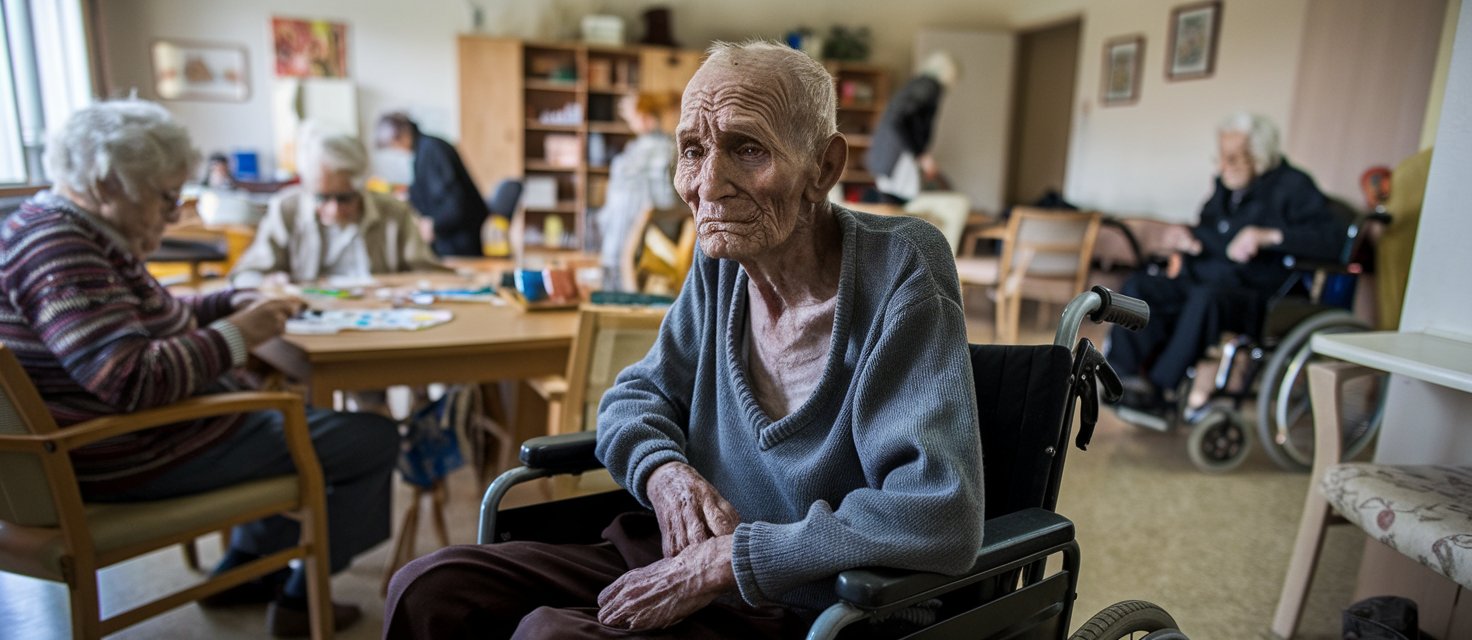
Recognizing the warning signs of malnutrition and dehydration can make a significant difference in a resident’s health outcomes. Common indicators of malnutrition include unexplained weight loss, fatigue, and weakness. If a resident appears pale, experiences frequent infections, or shows reduced muscle mass, these may also point to nutritional deficiencies.
Dehydration manifests through symptoms such as dry mouth, dark-colored urine, and decreased skin elasticity. In severe cases, confusion, dizziness, or fainting may occur. For nursing home residents, these issues are often exacerbated by age-related factors such as reduced thirst perception or chronic illnesses.
Families should also be attentive to changes in mood or behavior, which may signal underlying health issues. If you observe any of these signs in your loved one, it is essential to address the situation promptly with the nursing home staff and seek medical attention if necessary.
Causes of Malnutrition and Dehydration in Brooklyn Nursing Homes
The causes of malnutrition and dehydration in nursing homes are often systemic. One primary issue is understaffing . Facilities operating with insufficient caregivers may struggle to provide adequate assistance during mealtimes, leaving residents without the help they need to eat or drink. This issue is particularly prevalent in Brooklyn, where high demand and limited resources exacerbate the problem.
Poorly trained staff is another contributing factor. Caregivers who lack proper training in monitoring dietary intake or recognizing the signs of dehydration may inadvertently neglect residents’ needs. Additionally, facilities may fail to accommodate specific dietary requirements, such as those for diabetic or vegetarian residents, further increasing the risk of malnutrition.
In some cases, management priorities may play a role in causing nursing home abuse. When cost-cutting measures take precedence over resident care, essential services like nutrition management can suffer. Brooklyn families must hold facilities accountable to ensure their loved ones receive the care they deserve.
The Health Consequences of Malnutrition and Dehydration
The effects of malnutrition and dehydration on elderly nursing home residents can be devastating and, in some cases, life-threatening. Chronic malnutrition weakens the immune system, making residents more susceptible to illnesses and infections. It can also lead to muscle atrophy, reducing mobility and increasing the risk of falls.
Dehydration, on the other hand, often causes immediate and severe symptoms. It can lead to urinary tract infections, kidney stones, and impaired cognition. Over time, dehydration may contribute to long-term organ damage and increase the likelihood of hospitalization. For individuals already dealing with chronic conditions, the additional strain caused by these issues can be catastrophic.
By addressing these health concerns early, families and caregivers can significantly improve residents’ quality of life. Timely intervention and proper care are essential to preventing these problems from escalating.
Recognizing Neglect in Brooklyn Nursing Homes
Identifying neglect in nursing homes is a critical step toward ensuring residents receive the care they need. Neglect often manifests in subtle ways, such as delayed responses to call bells, improper hygiene, or the frequent loss of personal items. For families in Brooklyn, visiting loved ones regularly and staying observant can help detect these warning signs.
Specific red flags indicating malnutrition and dehydration include empty or untouched meal trays, unkempt living spaces, and noticeable weight loss. Residents may also exhibit changes in mood or behavior, such as increased agitation or withdrawal, which can indicate emotional distress stemming from neglect.
While neglect can occur in any facility, families should remain particularly vigilant in larger nursing homes where understaffing and overburdened caregivers are more common. If concerns arise, documenting incidents and bringing them to the facility’s attention are essential first steps.
Legal Rights for Victims of Nursing Home Neglect in Brooklyn
Residents of nursing homes have legal rights designed to protect their health, safety, and dignity. Under New York law, facilities are required to provide adequate care, including proper nutrition and hydration. Failure to meet these standards may constitute neglect, giving families legal grounds to pursue compensation for their loved ones’ suffering.
Victims of malnutrition or dehydration may be entitled to damages for medical expenses, pain and suffering, and other related losses. In cases involving egregious neglect, punitive damages may also be pursued to hold the facility accountable.
To navigate these complex legal processes, families in Brooklyn can seek guidance from experienced attorneys. Our firm is committed to helping families take action against negligent nursing homes, ensuring that justice is served, and systemic issues are addressed to protect other residents from harm.
Steps to Take if You Suspect Malnutrition or Dehydration
If you suspect your loved one is suffering from malnutrition or dehydration in a Brooklyn nursing home, it’s crucial to act quickly. Start by documenting your observations, such as visible signs of weight loss, dry skin, or complaints of thirst. Take photographs if appropriate and keep a written record of your concerns, including dates and interactions with staff.
Next, communicate directly with the nursing home’s management. Request a meeting to discuss your observations and ask about the care plan in place for your loved one. Ensure that their dietary and hydration needs are being monitored and addressed. If the facility does not take immediate and adequate action, escalate your concerns by filing a report with the New York State Department of Health or Adult Protective Services.
Finally, seek medical attention for your loved one. A physician can assess their condition, confirm malnutrition or dehydration, and recommend a treatment plan. Medical records can also serve as evidence if you decide to pursue legal action against the facility for neglect.
Preventing Malnutrition and Dehydration in Nursing Homes
Prevention is key to ensuring that nursing home residents in Brooklyn receive the care they deserve. Families can take proactive steps by choosing facilities with a strong reputation for quality care and sufficient staffing. Online databases, such as Medicare’s Nursing Home Compare, offer insights into facility ratings and compliance records.
Regular visits are one of the most effective ways to prevent neglect. By maintaining a consistent presence, families can monitor their loved one’s condition and address any concerns early. Observing mealtime routines and interacting with staff can also provide valuable insights into the level of care being provided.
Advocacy is another critical component of prevention. Working with local or national organizations to push for stricter oversight and better training standards in nursing homes can help create systemic change. By holding facilities accountable, families can contribute to a safer environment for all residents.
How Our Lawyers Can Help You
At the Law Office of Irene H. Gabo, P.C., we understand the profound impact that malnutrition and dehydration can have on nursing home residents and their families. Our attorneys are dedicated to holding negligent facilities accountable and fighting for the justice your loved one deserves.
We take a comprehensive approach to these cases, conducting thorough investigations to uncover evidence of neglect. From analyzing medical records to interviewing witnesses, we build strong cases to ensure the responsible parties are held liable. Our team also works closely with medical experts to demonstrate the link between the facility’s negligence and your loved one’s condition.
If your family has been affected by nursing home neglect in Brooklyn, contact us today for a free consultation. We’re here to guide you through the legal process and help you pursue the compensation and closure you deserve.
Call us at (800) 560-0214 for a free consultation.
Frequently Asked Questions
What are the common signs of malnutrition in nursing home residents?
Common signs of malnutrition include unexplained weight loss, fatigue, weakness, pale skin, frequent infections, and reduced muscle mass. Behavioral changes like withdrawal or irritability may also indicate nutritional deficiencies.
How can I tell if my loved one is dehydrated in a nursing home?
Signs of dehydration include dry mouth, dark urine, decreased skin elasticity, confusion, dizziness, or fainting. If you notice any of these symptoms, it’s essential to address them immediately with the nursing home staff and seek medical attention.
What causes malnutrition and dehydration in nursing homes?
These issues often stem from neglect, understaffing, or inadequate training of caregivers. Other causes include poorly managed meal schedules, failure to monitor dietary needs, and cost-cutting measures that compromise resident care.
Can I sue a nursing home for malnutrition or dehydration?
Yes, you can pursue legal action if a nursing home’s negligence leads to malnutrition or dehydration. Families may be entitled to compensation for medical expenses, pain and suffering, and other related damages.
What should I do if I suspect my loved one is being neglected?
Start by documenting your observations and communicating your concerns to the facility’s management. If the issue persists, report the neglect to the New York State Department of Health or Adult Protective Services. Consulting with an attorney can help you understand your legal options.
How does New York law protect nursing home residents from neglect?
Under New York law, nursing homes are required to provide adequate care, including proper nutrition and hydration. Failure to meet these standards can result in legal consequences for the facility and provide grounds for families to seek compensation.
What role does understaffing play in malnutrition and dehydration cases?
Understaffing is a significant factor, as overburdened caregivers may be unable to provide the attention residents need during mealtimes or hydration checks. This lack of care can lead to serious health consequences for residents.
How can families help prevent malnutrition and dehydration in nursing homes?
Families can help by choosing reputable nursing homes, visiting regularly, observing mealtimes, and maintaining open communication with staff. Advocating for better training and oversight in nursing facilities can also make a difference.
What legal remedies are available for victims of nursing home neglect?
Victims may pursue compensation for medical costs, pain and suffering, and other damages. In cases of severe negligence, punitive damages may also be awarded to hold the facility accountable.
How can Law Office of Irene H. Gabo, P.C. assist with a nursing home neglect case?
Our firm conducts thorough investigations, gathers evidence, and works with medical experts to build a strong case. We guide families through the legal process and fight for the justice and compensation their loved ones deserve.