




Neglect and Abuse in Nursing Homes Due to Poor Training
Poor training in nursing homes is a hidden but significant cause of neglect and abuse in nursing homes, particularly in facilities across Brooklyn. When staff members lack the proper education and preparation to handle the unique needs of elderly residents, the results can be devastating. Residents may suffer from unmet medical needs, emotional distress, and even physical harm due to errors or oversights.
Nursing home staff require specialized training to provide adequate care. This includes understanding medical conditions, administering medications safely, and assisting residents with daily activities like eating and mobility. Without this essential knowledge, caregivers are ill-equipped to handle even routine responsibilities, putting residents at serious risk.
Families trust nursing homes to provide a safe and nurturing environment for their loved ones. Unfortunately, poor training undermines this trust and can lead to severe consequences, including preventable injuries and long-term health complications.
How Poor Training Leads to Neglect and Abuse
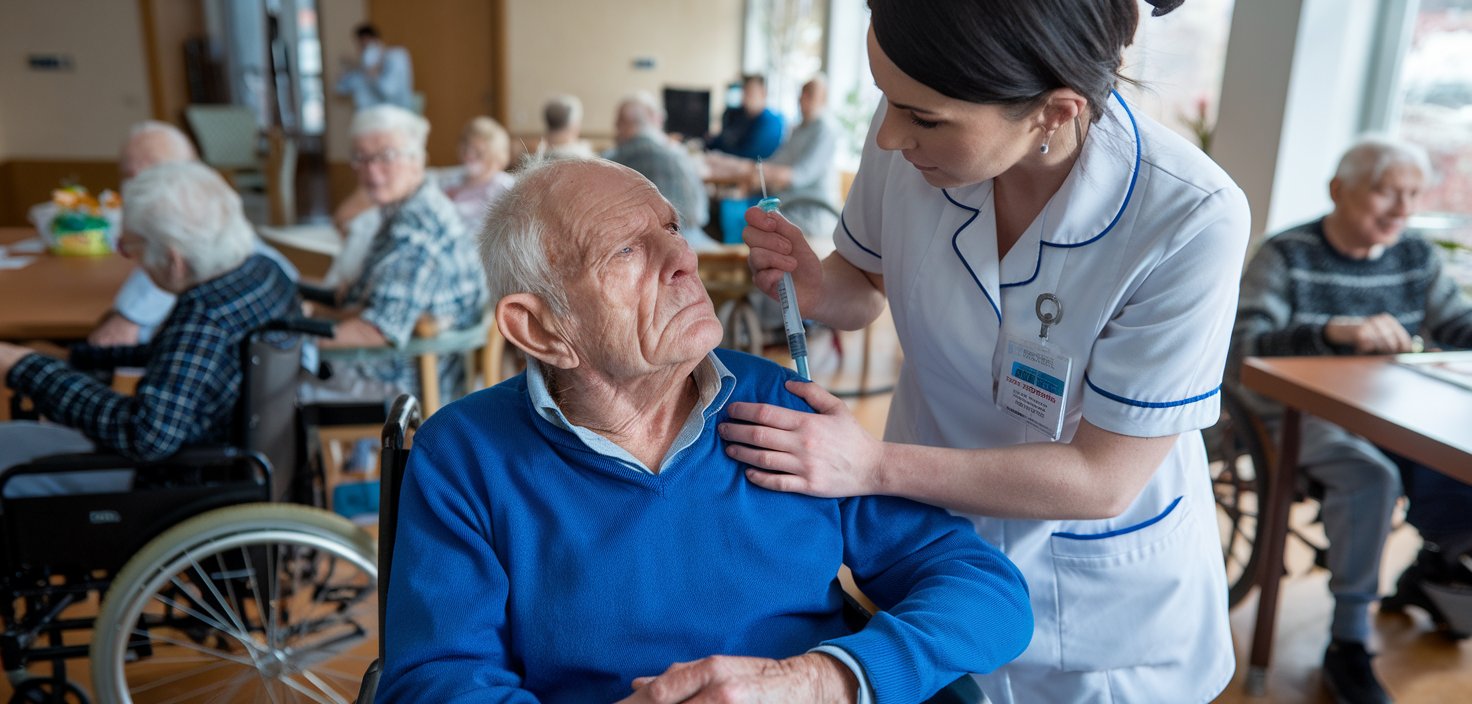
Inadequate training creates gaps in care that directly impact residents’ well-being. For example, untrained staff may not recognize the early signs of dehydration or malnutrition, allowing these conditions to worsen. Similarly, caregivers who lack proper instruction on transferring residents safely may cause falls and injuries during routine activities like moving from bed to chair.
Poor training in nursing homes also contributes to emotional abuse and verbal abuse. Staff who are unprepared to manage challenging behaviors, such as those associated with dementia, may respond with frustration or impatience. This can escalate into verbal altercations or the use of inappropriate restraint methods, causing psychological harm to residents.
Brooklyn’s nursing homes are not immune to these issues. High turnover rates and insufficient onboarding programs exacerbate the problem, leaving new employees without the skills they need to provide safe and effective care. For residents, the consequences of these shortcomings can be life-altering or even fatal.
Common Scenarios of Neglect and Abuse Linked to Poor Training
The impact of inadequate training is evident in many cases of nursing home neglect and abuse. For instance, a caregiver unfamiliar with proper wound care may fail to treat or monitor pressure ulcers, leading to severe infections or sepsis. In another example, staff without training in dietary management may unknowingly serve inappropriate meals to diabetic residents, causing dangerous blood sugar fluctuations.
Medication errors are another frequent outcome of poor training. Caregivers who do not understand dosage requirements or potential drug interactions may administer medications incorrectly, resulting in overdoses, missed doses, or adverse reactions. These mistakes are entirely preventable with proper instruction and oversight.
In one Brooklyn facility, a resident experienced repeated falls due to staff’s failure to use a gait belt during transfers. The injuries sustained required hospitalization and could have been avoided with basic training in mobility assistance. These examples highlight the critical need for comprehensive education and skill development for nursing home staff.
The Legal Consequences of Poor Training in Nursing Homes
Under New York law, nursing homes are required to provide competent and adequately trained staff to care for residents. Facilities that fail to meet this standard may be held legally accountable for the harm caused by their negligence. Poor training often leads to violations of the Nursing Home Reform Act, which mandates that residents receive proper care and maintain the highest practicable level of well-being.
Families affected by neglect or abuse due to inadequate staff training can pursue legal action against the facility. This may include filing a lawsuit to recover damages for medical expenses, pain and suffering, and emotional distress. In cases involving extreme neglect or systemic failures, punitive damages may also be awarded to deter future misconduct.
For Brooklyn residents, taking legal action not only provides justice for loved ones but also helps hold facilities accountable, prompting necessary improvements in training and care practices. Reporting such incidents to the New York State Department of Health is a critical first step in addressing these issues.
Recognizing Signs of Neglect Due to Poor Training
Identifying neglect stemming from inadequate staff training requires vigilance. Families should look for physical abuse and neglect indicators like untreated bedsores, unexplained injuries, or signs of malnutrition and dehydration. Behavioral changes, such as increased anxiety or fearfulness, may also signal emotional or psychological harm.
Warning signs in the facility itself include disorganized staff, inconsistent care routines, or frequent turnover among caregivers. A lack of familiarity with residents’ individual needs, such as dietary restrictions or mobility assistance, is another red flag. Families who observe caregivers struggling with basic tasks or appearing overwhelmed should address their concerns promptly.
Documentation is crucial when raising concerns. Keep records of observed neglect, take photographs of any injuries or poor conditions, and maintain a log of communications with the facility. These steps can help establish a clear case if legal action becomes necessary.
Preventing Neglect Through Better Training
Ensuring proper training for nursing home staff is essential to preventing neglect and abuse. Facilities can implement comprehensive onboarding programs that cover essential caregiving skills, such as proper transfer techniques, medication administration, and recognizing signs of medical distress. Ongoing training sessions should address specific challenges, like managing dementia-related behaviors or providing palliative care.
Families can play a role in advocating for better training by researching facilities before placing a loved one in care. Tools like Medicare’s Nursing Home Compare provide insights into staff qualifications, inspection reports, and overall facility ratings. Visiting the nursing home and speaking with staff can also give a clearer picture of the training and experience provided.
Community advocacy is another way to promote systemic change. Supporting initiatives aimed at improving caregiver wages, reducing turnover, and mandating regular training updates can help create a safer and more effective environment for nursing home residents.
How Our Lawyers Can Help Your Family
At the Law Office of Irene H. Gabo, P.C., we understand the devastating impact that poor training in nursing homes can have on residents and their families. Our attorneys are dedicated to holding negligent facilities accountable and ensuring justice for those who have suffered due to inadequate care. Call us at (800) 560-0214 for a free consultation.
We conduct thorough investigations to uncover evidence of neglect, including staff training records, care plans, and witness testimony. Our team works with medical and industry experts to establish how poor training contributed to the harm experienced by your loved one. This comprehensive approach allows us to build strong cases and seek the maximum compensation available under the law.
If you suspect that your loved one has been a victim of nursing home neglect in Brooklyn, contact us today for a free consultation. Let us guide you through the legal process and fight for the justice your family deserves.
Call the Law Office of Irene H. Gabo, P.C. Today for Help
If your loved one has suffered from neglect or abuse in a Brooklyn nursing home due to poor training, don’t wait to act. Time is critical in these cases, both for the well-being of your loved one and for preserving evidence. Call the Law Office of Irene H. Gabo, P.C. today at (800) 560-0214 to schedule your free consultation. Together, we can take the steps necessary to protect your family and hold negligent facilities accountable.
Frequently Asked Questions
What are the risks of poor training in nursing homes?
Poor training can lead to neglect, such as untreated bedsores, medication errors, and malnutrition. It can also result in emotional abuse if staff are unprepared to handle challenging behaviors associated with aging or dementia.
How can I tell if a nursing home staff is poorly trained?
Signs of poor training include staff struggling with basic caregiving tasks, frequent injuries among residents, inconsistent care routines, and high turnover rates. Observing caregivers during visits and asking questions about their qualifications can provide insights.
What legal options do families have if neglect occurs?
Families can file lawsuits to seek compensation for medical costs, emotional distress, and other damages resulting from neglect. Reporting the facility to the New York State Department of Health is another way to initiate corrective actions.
Can nursing homes be held accountable for inadequate staff training?
Yes, nursing homes have a legal obligation to provide adequately trained staff. If poor training leads to neglect or abuse, the facility can be held liable for failing to meet its duty of care.
How does poor training affect residents with medical conditions?
Residents with medical conditions are particularly vulnerable to the effects of poor training. For example, untrained staff may fail to manage conditions like diabetes or dementia properly, leading to serious complications or injuries.
What steps can families take to prevent neglect caused by poor training?
Families can research facilities using resources like Medicare’s Nursing Home Compare, visit the nursing home regularly, and engage with staff to understand their training and qualifications. Advocating for better training programs at the facility level can also help prevent neglect.
What compensation can victims of neglect receive?
Victims may be entitled to compensation for medical expenses, pain and suffering, emotional distress, and, in severe cases, punitive damages to hold the facility accountable for gross negligence.
How can the Law Office of Irene H. Gabo, P.C. assist with a case involving poor training?
Our lawyers conduct thorough investigations, gather evidence, and work with experts to build strong cases. We are committed to helping families secure the justice and compensation they deserve while holding negligent facilities accountable.
Is it common for Brooklyn nursing homes to have poorly trained staff?
While many facilities strive to provide quality care, some nursing homes in Brooklyn face challenges like high staff turnover and insufficient training programs, which can lead to neglect or abuse.