




Is Your Loved One Suffering Verbal Abuse in a Brooklyn Nursing Home?
Verbal abuse in nursing homes is a deeply harmful and often overlooked form of elder abuse. In Brooklyn, many families trust nursing homes to provide compassionate care, but when verbal abuse occurs, it can leave lasting emotional scars on vulnerable residents. This type of nursing home abuse in Brooklyn includes yelling, insulting, belittling, or intimidating residents, often leading to anxiety, depression, and feelings of helplessness.
Unlike physical abuse,verbal abuse does not leave visible marks, making it harder to detect. However, the psychological impact can be just as damaging. Residents subjected to constant verbal mistreatment may experience a decline in their overall health and quality of life. For families, recognizing the signs of verbal abuse and taking action is critical to safeguarding their loved ones.
Nursing homes have a legal and moral obligation to ensure that residents are treated with dignity and respect. When staff members violate this trust through verbal abuse, families have the right to demand accountability and justice.
How Verbal Abuse Manifests in Nursing Homes
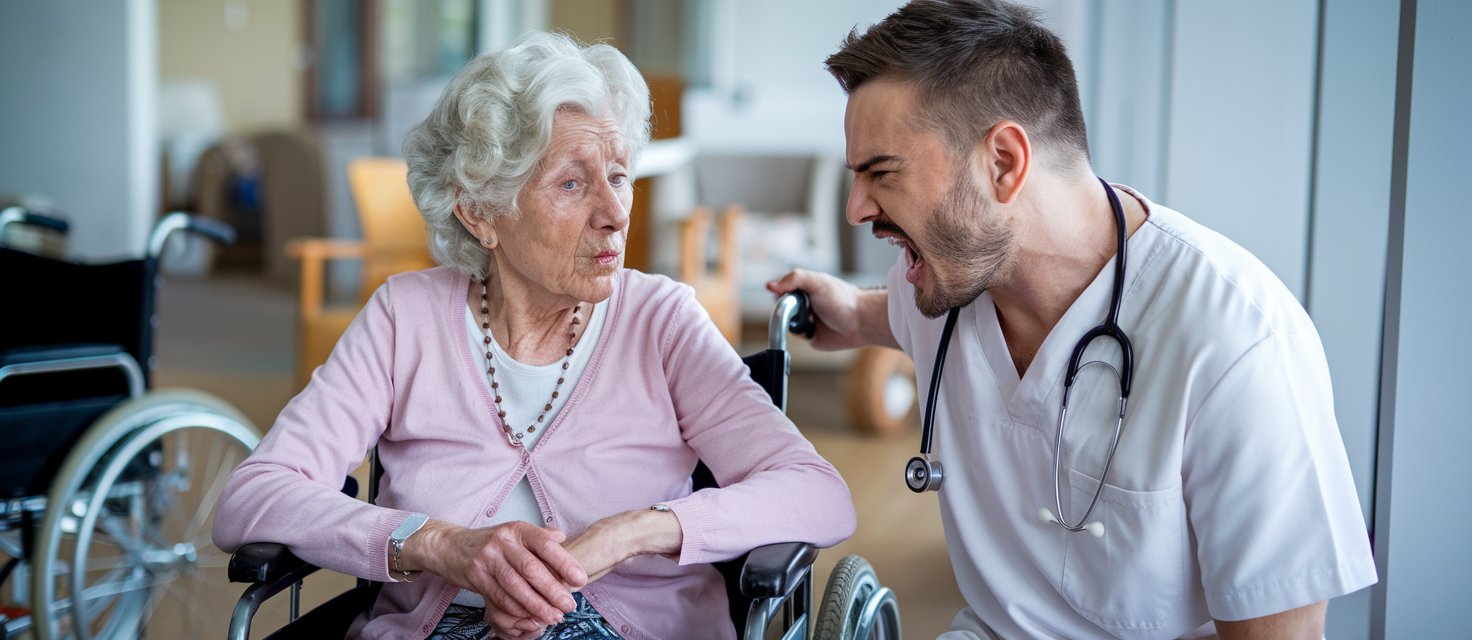
Verbal abuse in nursing homes can take many forms, all of which are detrimental to residents’ well-being. Common examples include:
- Yelling or Screaming: Raising one’s voice to intimidate or control residents.
- Insults and Name-Calling: Using demeaning language to belittle or humiliate residents.
- Threats: Making residents fear harm or retaliation for voicing concerns.
- Mocking or Ridiculing: Making fun of residents’ disabilities, appearance, or cognitive impairments.
These actions often stem from caregiver frustration, lack of proper training, or a toxic workplace culture. However, no matter the cause, verbal abuse is never acceptable and violates residents’ rights to safe and respectful care.
Families must remain vigilant and pay attention to changes in their loved ones’ mood or behavior. Increased anxiety, withdrawal, or reluctance to engage with staff may indicate ongoing verbal abuse.
The Emotional and Psychological Impact of Verbal Abuse
Verbal abuse can have severe emotional and psychological effects on nursing home residents. Constant exposure to belittling language or threats can lead to chronic anxiety, depression, and feelings of worthlessness. In some cases, residents may develop post-traumatic stress disorder (PTSD) as a result of persistent verbal mistreatment.
Beyond mental health, verbal abuse often exacerbates physical health issues. Stress caused by abusive interactions can weaken the immune system, increase blood pressure, and interfere with recovery from existing medical conditions. For elderly residents, these health declines can be life-threatening.
For example, a Brooklyn resident who was regularly mocked by caregivers for their mobility challenges became withdrawn and stopped participating in physical therapy sessions. This led to further loss of mobility and overall health decline. Such situations highlight the devastating ripple effects verbal abuse can have on residents’ lives.
Recognizing the Signs of Verbal Abuse
Identifying verbal abuse in nursing homes can be challenging, especially when residents feel too intimidated or ashamed to report mistreatment. However, there are warning signs that families can look for to determine if verbal abuse is occurring. Behavioral changes are often the most telling indicators, including:
- Withdrawal:Residents may become less social, avoiding interactions with staff and other residents.
- Anxiety or Fear:Visible nervousness or apprehension, especially around specific caregivers.
- Depression:A noticeable decline in mood, including sadness, hopelessness, or disinterest in activities.
- Outbursts or Irritability: Sudden anger or frustration that is out of character.
Additionally, residents might directly or indirectly express concerns. Statements like “They don’t like me here” or “I feel like a burden” can be subtle clues that something is wrong. Families should listen carefully and follow up on these comments to uncover the underlying issue.
Observing interactions between staff and residents during visits can also provide valuable insights. Disrespectful language, impatience, or a dismissive tone from caregivers are red flags that may indicate verbal abuse.
The Legal Consequences of Verbal Abuse in Nursing Homes
Under New York law, nursing home residents are entitled to respectful and dignified treatment. Verbal abuse is a violation of these rights and may constitute neglect or abuse under the law. Facilities that allow or fail to prevent verbal abuse can face significant legal consequences, including fines, lawsuits, and loss of licensure.
Families of victims can pursue legal action to hold the nursing home accountable for the harm caused by verbal abuse. Compensation may include damages for emotional distress, medical expenses related to mental health treatment, and other associated costs. In severe cases, punitive damages may also be awarded to penalize the facility and deter similar misconduct in the future.
To build a strong case, it’s essential to document evidence of verbal abuse, including detailed notes of incidents, recordings if possible, and statements from witnesses. Consulting an attorney experienced in nursing home abuse cases can help families navigate the legal process and achieve justice for their loved ones.
Preventing Verbal Abuse in Brooklyn Nursing Homes
Preventing verbal abuse requires proactive measures from both nursing homes and families. Facilities should prioritize proper training for staff, focusing on communication skills, empathy, and conflict resolution. Establishing a zero-tolerance policy for abusive behavior and providing avenues for staff to report concerns can help create a safer environment.
Families play a crucial role in prevention by staying actively involved in their loved ones’ care. Regular visits provide opportunities to observe interactions and address concerns early. Asking residents about their experiences and maintaining open communication with staff can also foster accountability.
Community advocacy is another powerful tool in preventing verbal abuse. Supporting legislation that enforces stricter oversight of nursing homes and improves staff training requirements can help reduce the prevalence of abuse in facilities across Brooklyn and beyond.
How Our Lawyers Can Help Your Family
At the Law Office of Irene H. Gabo, P.C., we understand the profound impact that verbal abuse in nursing homes can have on residents and their families. Our attorneys are dedicated to holding nursing facilities accountable for allowing this unacceptable behavior. We work tirelessly to secure justice and compensation for those affected. Call us at (800) 560-0214 for a free consultation.
Our team conducts comprehensive investigations, gathering evidence such as witness statements, facility records, and behavioral reports. We collaborate with experts to establish the extent of harm caused by verbal abuse and build a compelling case against the negligent facility.
If your loved one has experienced verbal abuse in a Brooklyn nursing home, contact us today for a free consultation. Let us guide you through the legal process and help you take the necessary steps to protect your loved one’s rights.
Call the Law Office of Irene H. Gabo, P.C. Today for Help
Don’t wait to take action if you suspect your loved one is a victim of verbal abuse in a Brooklyn nursing home. These cases require immediate attention to ensure your loved one’s safety and preserve critical evidence. Call the Law Office of Irene H. Gabo, P.C. today at (800) 560-0214 to schedule a free consultation. We’re here to support you and fight for the justice and care your loved one deserves.
Frequently Asked Questions
What is verbal abuse in a nursing home?
Verbal abuse includes yelling, insulting, threatening, or belittling residents. It is a form of emotional abuse that can cause significant psychological harm and affect the overall well-being of nursing home residents.
How can I recognize verbal abuse in a nursing home?
Signs of verbal abuse include behavioral changes in residents, such as withdrawal, anxiety, or depression. Listening for complaints about staff behavior or observing disrespectful interactions during visits can also help identify abuse.
What should I do if I suspect verbal abuse in a nursing home?
Start by documenting your observations, including dates and specific incidents. Address your concerns with the facility’s management and, if necessary, report the abuse to the New York State Department of Health. Consulting with an attorney can help you understand your legal options.
Can verbal abuse lead to physical health issues?
Yes, verbal abuse can cause stress that exacerbates physical health problems, such as high blood pressure, weakened immunity, and poor recovery from illnesses. It can also lead to depression, which may impact a resident’s overall health.
Is verbal abuse in nursing homes illegal?
Yes, verbal abuse is illegal under New York law. Nursing homes are required to provide residents with respectful and dignified care. Facilities that fail to prevent or address verbal abuse may face legal consequences.
What legal options do families have for verbal abuse in nursing homes?
Families can file lawsuits against the facility for damages, including emotional distress and any costs related to mental health treatment. Punitive damages may also be pursued in cases of egregious misconduct.
How can nursing homes prevent verbal abuse?
Nursing homes can prevent verbal abuse by providing proper staff training, implementing strict zero-tolerance policies, and fostering a culture of respect and accountability among caregivers.
How can the Law Office of Irene H. Gabo, P.C. help with a verbal abuse case?
Our attorneys investigate claims thoroughly, gather evidence, and build strong cases to hold negligent nursing homes accountable. We aim to secure justice and compensation for families affected by abuse.
What compensation can victims of verbal abuse receive?
Victims may be entitled to compensation for emotional distress, mental health treatment, and other related damages. In severe cases, punitive damages may also be awarded to deter future abuse.