



Protecting Brooklyn Seniors from Medical Negligence in Nursing Homes
Medical negligence in nursing homes is a growing concern in Brooklyn, affecting some of the most vulnerable members of our community. When nursing home staff or administrators fail to meet the standard of care expected in a medical setting, residents can suffer serious harm, ranging from untreated infections to life-threatening medication errors.
Families trust nursing homes to provide skilled care for their loved ones. When that trust is broken through negligence, it’s essential to take action. Understanding the common types of medical negligence, recognizing the warning signs, and knowing your legal rights can help protect your loved ones and hold facilities accountable for substandard care.
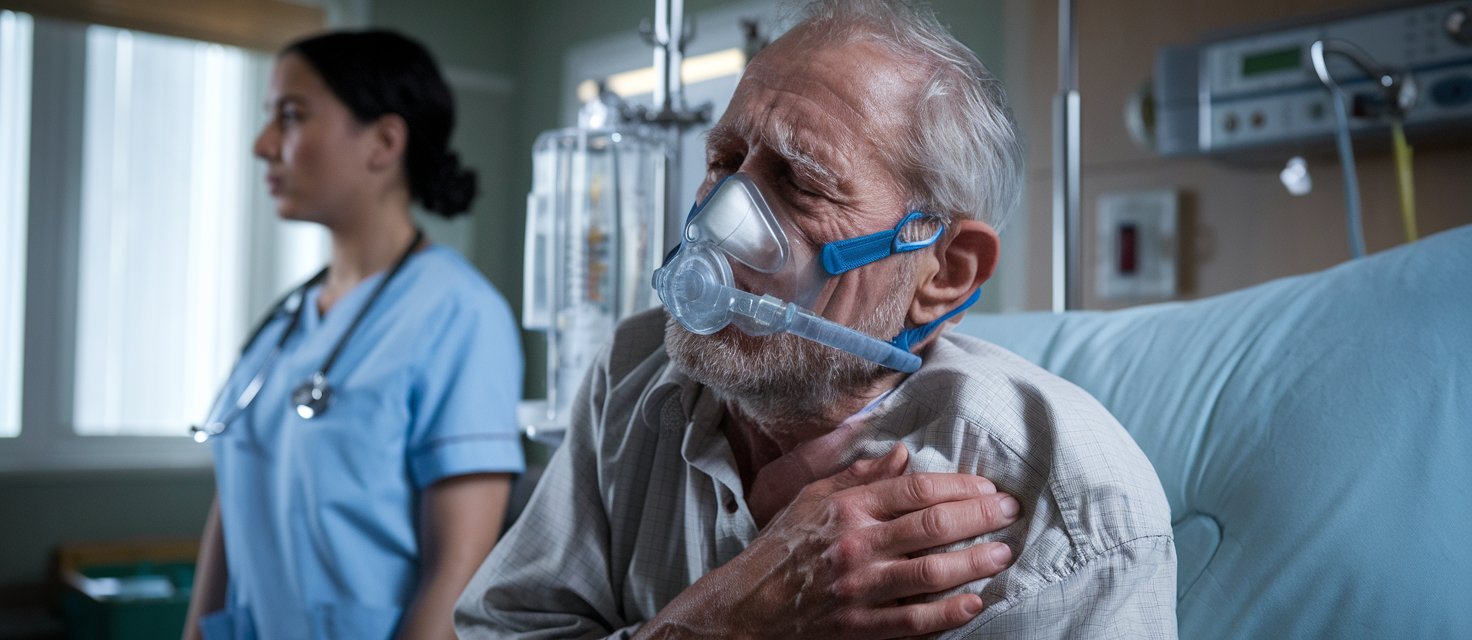
What Is Medical Negligence in Nursing Homes?
Medical negligence occurs when a nursing home fails to provide the appropriate medical care that a reasonable facility would under similar circumstances. This failure can lead to harm, worsening health conditions, or preventable deaths. Unlike intentional abuse, medical negligence often stems from carelessness, understaffing, or lack of proper training.
For example, a Brooklyn nursing home resident with diabetes may suffer severe complications if caregivers fail to monitor their blood sugar levels or administer insulin correctly. Similarly, neglecting to address signs of infection, such as bedsores, can lead to sepsis and other life-threatening complications.
Nursing homes have a legal obligation to provide safe and adequate care. When they fail to do so, families have the right to seek justice for the harm caused to their loved ones.
Common Examples of Medical Negligence in Brooklyn Nursing Homes
Medical negligence can take many forms, but it always involves a breach of duty that jeopardizes a resident’s health and safety. Understanding these common examples can help families identify potential issues and take action.
Frequent examples include:
- Medication errors: Administering the wrong medication, incorrect dosages, or failing to provide necessary medications.
- Failure to diagnose or treat conditions: Neglecting signs of infection, dehydration, malnutrition, or other medical problems.
- Improper wound care: Failing to treat bedsores or surgical wounds, leading to severe infections.
- Poor diabetic care: Inadequate monitoring of blood glucose levels, resulting in serious complications.
- Preventable falls: Failing to provide mobility aids or supervision, leading to injuries like broken bones or head trauma.
Each of these examples represents a failure to uphold the basic standards of care, and families have the right to demand accountability when these lapses occur.
Signs of Medical Negligence in Nursing Homes
Detecting medical negligence early can make a significant difference in preventing further harm. Families visiting loved ones in Brooklyn nursing homes should pay close attention to signs of inadequate care or neglect.
Common warning signs include:
- Unexplained changes in health: Sudden weight loss, recurring infections, or worsening chronic conditions without a clear explanation.
- Frequent hospitalizations: Residents being sent to the hospital repeatedly for preventable issues.
- Poor hygiene or unsanitary conditions: Dirty living spaces, soiled clothing, or unclean medical equipment.
- Inconsistent medication administration: Missed doses, incorrect medications, or confusion about prescriptions.
- Behavioral changes: Anxiety, depression, or confusion that may stem from pain, discomfort, or improper care.
Families should document these signs and address them with facility management promptly. If the facility fails to resolve the issues, legal action may be necessary.
What are the Causes of Medical Negligence in Nursing Homes?
Medical negligence in Brooklyn nursing homes often stems from systemic issues within the facility. While individual mistakes may occur, these are frequently exacerbated by broader problems such as understaffing and lack of oversight.
Common causes include:
- Understaffing: Inadequate staff-to-resident ratios mean caregivers are overworked, leading to mistakes or missed care opportunities.
- Lack of training: Staff members who are not properly trained in medical procedures or specialized care, such as for dementia or diabetes, are more likely to make critical errors.
- Poor communication: Miscommunication between staff members, or between the facility and outside healthcare providers, can result in medication errors or delays in treatment.
- Cost-cutting measures: Facilities that prioritize profit over care may skimp on hiring qualified medical professionals or providing necessary equipment and supplies.
- Negligent supervision: Poor management and oversight can allow substandard care practices to persist unchecked.
- Negligent hiring \: many nursing homes, desperate for staff, hire people they should not or fail to perform adequate background checks on those they hire.
Health Impacts of Medical Negligence
The consequences of medical negligence in nursing homes can be severe, impacting residents’ physical, emotional, and mental well-being. These outcomes often require extensive medical intervention and can lead to long-term complications or even death.
Common health impacts include:
- Infections: Poor wound care or hygiene practices can lead to serious infections, including sepsis.
- Malnutrition and dehydration: Neglecting basic nutritional needs can weaken residents, making them more susceptible to illness and injury.
- Falls and fractures: Preventable falls caused by inadequate supervision or mobility aids can result in broken bones and head injuries.
- Medication complications: Errors in medication administration can lead to adverse drug reactions, overdoses, or untreated conditions.
For example, a resident in a Brooklyn nursing home may develop life-threatening bedsores due to improper repositioning, requiring hospitalization and extended recovery. These preventable harms highlight the importance of holding negligent facilities accountable.
Steps to Take If You Suspect Medical Negligence
If you suspect your loved one has been a victim of medical negligence in a Brooklyn nursing home, taking immediate action is critical to protect their health and rights.
Steps to address suspected negligence:
- Document your concerns: Keep detailed notes of your observations, including missed treatments, unsanitary conditions, or changes in your loved one’s health.
- Speak with facility management: Report your concerns to the nursing home administration and request a formal investigation into the matter.
- Seek medical attention: Arrange for an independent medical evaluation to assess your loved one’s condition and identify any neglect-related harm.
- File a complaint: Contact the New York State Department of Health or Adult Protective Services to report the negligence and request an external investigation.
- Consult an attorney: A nursing home abuse attorney can help you explore your legal options, including filing a lawsuit to recover damages and hold the facility accountable.
Acting quickly can prevent further harm and ensure your loved one receives the care they need.
Legal Rights and Remedies for Medical Negligence
Nursing home residents in Brooklyn are entitled to safe and adequate medical care under both state and federal laws. When facilities fail to meet these standards, residents and their families have the right to take legal action.
The Nursing Home Reform Act requires facilities that receive Medicare or Medicaid funding to provide quality care, maintain a safe environment, and address residents’ medical needs promptly. Under New York law, nursing homes can be held accountable for negligence through civil lawsuits or regulatory penalties.
Legal remedies for medical negligence may include:
- Compensatory damages: Reimbursement for medical expenses, rehabilitation costs, and other financial losses caused by the negligence.
- Non-economic damages: Compensation for pain and suffering, emotional distress, and loss of quality of life.
- Punitive damages: In cases of gross negligence, courts may award punitive damages to deter similar misconduct in the future.
Our attorneys help victims with nursing home abuse and negligence cases. We can help you navigate the legal process and advocate for justice on behalf of your loved one.
Pursuing Compensation for Medical Negligence
Victims of medical negligence in Brooklyn nursing homes may face significant financial and emotional challenges. Filing a legal claim can help alleviate these burdens and hold the facility accountable for its failures.
Compensation may cover:
- Medical expenses: Costs for hospitalization, medication, surgeries, and rehabilitation.
- Long-term care: Additional costs for ongoing treatment or specialized care resulting from the negligence.
- Loss of companionship: Compensation for the emotional impact of the neglect on family relationships.
- Pain and suffering: Monetary relief for the physical and emotional distress caused by the negligence.
Filing a claim not only helps victims recover but also sends a clear message that negligent practices will not be tolerated in Brooklyn nursing homes.
Contact Us for Help with Medical Negligence Cases
If your loved one has suffered from medical negligence in a Brooklyn nursing home, Law Office of Irene H. Gabo, P.C. is here to help. We understand how challenging these situations can be and are committed to ensuring justice for your family.
Contact us today for a free consultation. Our team will review your case, explain your legal options, and guide you through the process of pursuing compensation. We’ll work tirelessly to hold negligent facilities accountable and protect the rights of nursing home residents.
Don’t wait-medical negligence can have serious, lasting consequences. Call the Law Office of Irene H. Gabo, P.C. or complete our online contact form to get started. Together, we can ensure your loved one receives the care and respect they deserve.
Frequently Asked Questions
What is medical negligence in nursing homes?
Medical negligence occurs when a nursing home fails to provide the appropriate level of medical care, resulting in harm to the resident. Examples include medication errors, neglecting health conditions, and improper wound care.
How can I tell if my loved one is a victim of medical negligence?
Signs include unexplained health changes, recurring infections, missed medications, frequent hospitalizations, and poor hygiene. If you notice these issues, document them and address your concerns with the facility.
What are the common causes of medical negligence?
Causes include understaffing, lack of training, poor communication among caregivers, cost-cutting measures, and negligent supervision by management.
Who can be held accountable for medical negligence?
Nursing homes, staff members, administrators, and healthcare providers can all be held accountable if their actions or inactions result in harm to a resident.
What should I do if I suspect medical negligence?
Document your observations, report the issue to facility management, seek medical attention for your loved one, and consult an attorney to explore your legal options.
What compensation is available for medical negligence cases?
Compensation may include medical expenses, rehabilitation costs, pain and suffering, emotional distress, and punitive damages in cases of gross negligence.
Can legal action help improve care standards in nursing homes?
Yes, holding facilities accountable through legal action can lead to better oversight, stricter regulations, and improved care standards for all residents.
What is the statute of limitations for medical negligence cases in New York?
The statute of limitations for filing a claim is generally three years from the date of injury. Cases involving government-run facilities may have shorter deadlines, requiring a Notice of Claim within 90 days.
How can the Law Office of Irene H. Gabo, P.C. help with a medical negligence case?
Our attorneys help victims in nursing home negligence cases. We’ll investigate your claim, gather evidence, and pursue compensation to ensure justice for your loved one and your family.