







Sexual Abuse in Brooklyn Nursing Homes
Sexual abuse in Brooklyn nursing homes is a deeply troubling issue that often goes unnoticed and unreported. Vulnerable residents, particularly those with cognitive impairments or mobility challenges, are at risk of being targeted by caregivers, staff, or even other residents. This type of abuse not only violates the victim’s dignity but can also cause profound physical and emotional abuse.
Families place their trust in nursing homes to provide safe and compassionate care for their loved ones. When that trust is broken, it is essential to take action to protect residents and hold responsible parties accountable. Understanding the signs of nursing home abuse in Brooklyn and knowing how to respond can make a critical difference.
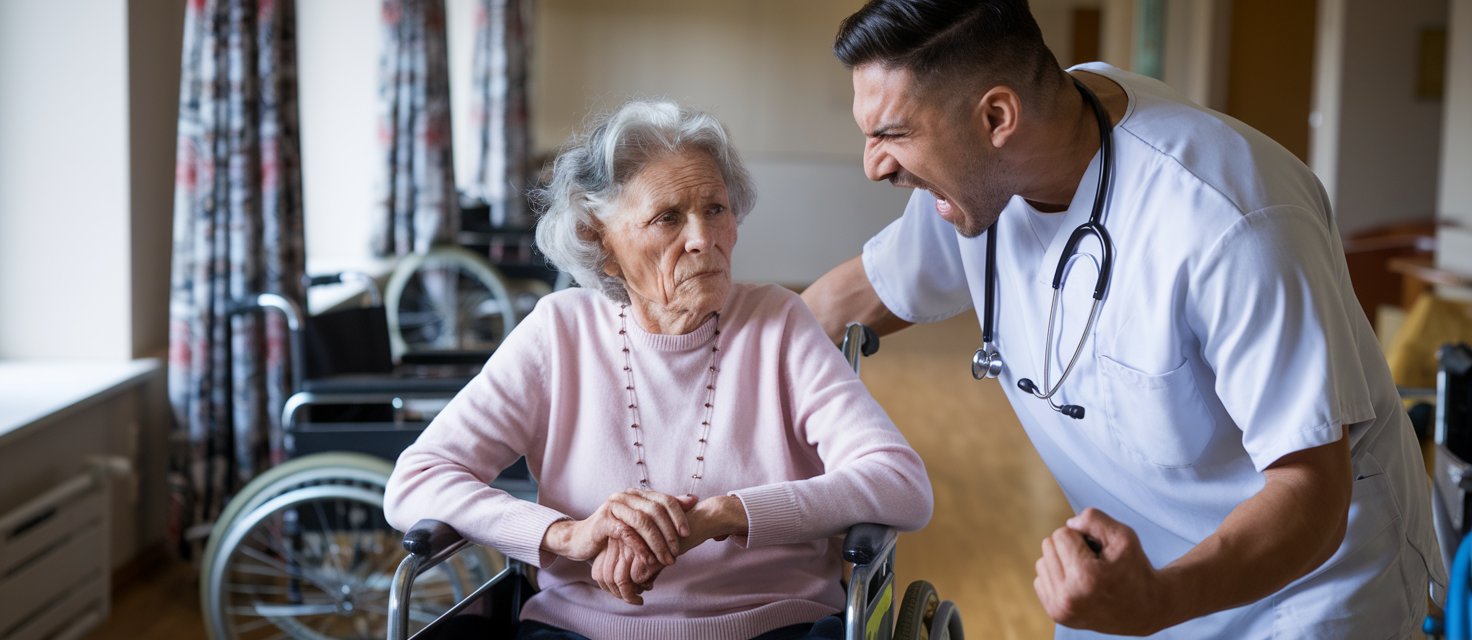
What Constitutes Sexual Abuse in Nursing Homes?
Sexual abuse in nursing homes involves any unwanted sexual contact, harassment, or exploitation of a resident. This can include inappropriate touching, coerced sexual acts, or verbal sexual harassment. Victims may be unable to consent due to cognitive impairments or physical disabilities, making such acts particularly egregious.
For example, a caregiver might take advantage of a resident’s inability to communicate or resist, leading to repeated incidents of abuse. In other cases, residents may be groomed through manipulation or intimidation, leaving them too afraid to report the abuse.
Sexual abuse is not always physical abuse. Verbal abuse, inappropriate comments, or exposing residents to sexual content without consent are also forms of abuse that can have lasting psychological effects.
Warning Signs of Sexual Abuse in Brooklyn Nursing Homes
Sexual abuse is often hidden due to the fear or inability of victims to speak out. Families must remain vigilant and watch for subtle clues that something may be wrong.
Common signs of sexual abuse include:
- Unexplained injuries: Bruises, scratches, or bleeding, especially in sensitive areas, may indicate abuse.
- Behavioral changes: Residents may exhibit fear, anxiety, depression, or withdrawal from social activities.
- Clothing or bedding issues: Torn clothing, missing undergarments, or stained bedding may be red flags.
- Reluctance to be alone with caregivers: A sudden fear of specific staff members or refusal to participate in care routines.
- Physical symptoms: Unexplained infections, pain, or difficulty sitting or walking.
If you notice any of these warning signs of abuse, it is crucial to address your concerns immediately and seek help from appropriate authorities or legal professionals.
Causes and Risk Factors for Sexual Abuse in Nursing Homes
Sexual abuse in nursing homes is often a result of systemic failures within the facility. Understanding the root causes and risk factors can help families take preventative measures and demand higher standards of care.
Common causes and risk factors include:
- Understaffing: Inadequate staff-to-resident ratios reduce oversight, creating opportunities for abuse to occur unnoticed.
- Lack of background checks: Facilities that fail to screen employees thoroughly may hire individuals with histories of abusive behavior.
- Resident vulnerability: Residents with cognitive impairments, mobility challenges, or communication barriers are at greater risk of being targeted.
- Poor training: Staff members who are not trained to handle residents with special needs may resort to inappropriate or harmful behaviors.
- Negligent supervision: Weak management and lack of accountability allow misconduct to persist without consequences.
For example, a poorly supervised Brooklyn nursing home with limited staff may fail to notice repeated incidents of abuse by a single caregiver.
The Impact of Sexual Abuse on Nursing Home Residents
The effects of sexual abuse on nursing home residents are profound and far-reaching, often affecting their physical, emotional, and psychological well-being. These impacts can persist long after the abuse has ended, leaving victims with lasting scars.
Physically, victims may suffer injuries, infections, or chronic pain as a result of the abuse. Emotionally, the trauma can lead to anxiety, depression, and feelings of helplessness or shame. Residents may withdraw from social interactions or exhibit sudden changes in behavior, such as irritability or aggression.
The psychological effects of abuse can also exacerbate existing health conditions. For instance, a resident with dementia who is subjected to abuse may experience a decline in cognitive function or exhibit increased confusion and fear.
Addressing the consequences of abuse requires a comprehensive approach, including medical treatment, counseling, and legal action to hold perpetrators accountable and prevent future harm.
Steps to Take If You Suspect Sexual Abuse
If you suspect that your loved one is a victim of sexual abuse in a Brooklyn nursing home, acting quickly is critical to ensure their safety and well-being. Taking the right steps can help stop the abuse and bring those responsible to justice.
What to do if you suspect sexual abuse:
- Document the evidence: Take photographs of any visible injuries, keep detailed notes of changes in behavior, and gather any physical evidence, such as clothing or bedding.
- Speak with your loved one: If possible, ask them open-ended questions in a safe and private setting to understand their concerns or experiences.
- Report the abuse: File a complaint with the New York State Department of Health or Adult Protective Services. These agencies are equipped to investigate claims of abuse.
- Seek medical care: Ensure your loved one receives prompt medical attention to address any physical or emotional harm caused by the abuse.
- Contact our attorneys: Our nursing home abuse attorneys can help you navigate the legal process, protect your loved one’s rights, and pursue compensation for damages.
By taking these steps, you can ensure that your loved one is protected and that the perpetrators of the abuse are held accountable.
Legal Rights and Remedies for Sexual Abuse in Nursing Homes
Nursing home residents in Brooklyn are entitled to live in a safe and respectful environment, free from abuse of any kind. Sexual abuse is a serious violation of these rights, and both state and federal laws are in place to protect residents and hold facilities accountable.
The Nursing Home Reform Act requires facilities to maintain a safe environment and provide quality care for residents. In New York, nursing homes are also subject to state laws mandating strict standards for resident safety and oversight. Facilities that fail to prevent or address sexual abuse can face civil lawsuits, regulatory penalties, and even criminal charges against individual abusers.
Legal remedies for sexual abuse include:
- Compensatory damages: Recovery of costs for medical treatment, counseling, and relocation to a safer facility.
- Non-economic damages: Compensation for pain, suffering, and emotional trauma caused by the abuse.
- Punitive damages: In cases of egregious misconduct, courts may award punitive damages to penalize the facility and deter similar actions in the future.
Our attorneys help seniors in nursing home abuse cases and can help you pursue justice for your loved one, ensuring that those responsible are held accountable.
Pursuing Compensation for Victims of Sexual Abuse
Victims of sexual abuse in nursing homes often face substantial medical, emotional, and financial challenges. Pursuing a legal claim can help provide the resources needed for recovery and ensure that negligent facilities and individuals are held accountable.
Compensation may include:
- Medical expenses: Costs for treating physical injuries or infections resulting from the abuse.
- Therapeutic support: Counseling or therapy to address the emotional and psychological impacts of the abuse.
- Relocation expenses: Costs associated with moving your loved one to a safer and more secure facility.
- Damages for emotional distress: Compensation for the trauma and loss of trust caused by the abuse.
Filing a claim not only helps the victim but also sends a strong message that abuse will not be tolerated in Brooklyn nursing homes.
Contact Us for Help with Sexual Abuse Cases
If your loved one has suffered sexual abuse in a Brooklyn nursing home, Law Office of Irene H. Gabo, P.C. is here to help. We understand how devastating these situations can be and are committed to providing compassionate and effective legal representation.
Contact us today for a free consultation. Our team will evaluate your case, explain your options, and guide you through every step of the legal process. Together, we can ensure your loved one’s safety and secure the justice they deserve.
Call the Law Office of Irene H. Gabo, P.C. or fill out our online contact form to get started. Protecting the rights and dignity of nursing home residents is our top priority.
Frequently Asked Questions
What is sexual abuse in nursing homes?
Sexual abuse in nursing homes involves any unwanted sexual contact, harassment, or exploitation of a resident. This can include inappropriate touching, coerced sexual acts, or verbal sexual harassment.
What are the warning signs of sexual abuse in nursing homes?
Warning signs include unexplained injuries, behavioral changes, fear of specific staff members, torn or stained clothing, and physical symptoms like infections or pain.
Who is most at risk of sexual abuse in nursing homes?
Residents with cognitive impairments, mobility challenges, or communication barriers are particularly vulnerable. Socially isolated residents may also be at greater risk.
How can I report sexual abuse in a nursing home?
You can report abuse to the New York State Department of Health, Adult Protective Services, or law enforcement. Consulting an attorney can also help ensure that your loved one’s rights are protected.
Can nursing homes be held accountable for sexual abuse?
Yes, nursing homes can be held accountable if they fail to prevent abuse, conduct proper background checks, or address allegations appropriately. Legal action can target both the facility and individual abusers.
What compensation is available for sexual abuse victims?
Victims may receive compensation for medical expenses, counseling, pain and suffering, and punitive damages in cases of severe negligence or misconduct.
What steps should I take if I suspect sexual abuse?
Document your concerns, report the issue to the facility and authorities, seek medical care for your loved one, and contact an attorney to explore legal options.
What legal rights do nursing home residents have against sexual abuse?
Residents are protected by federal and state laws requiring facilities to provide a safe environment. Violations of these laws can lead to lawsuits, regulatory action, and criminal charges.
How can Law Office of Irene H. Gabo, P.C. help with a sexual abuse case?
Our attorneys help victims of nursing home abuse cases, including sexual abuse. We will investigate your claim, pursue compensation, and work tirelessly to hold the facility and perpetrators accountable.